In today's digital age, electrical work reviews play a crucial role in shaping the reputation of contractors and influencing consumer choices. As homeowners increasingly rely on online platforms to assess the quality of services, these reviews have become a vital tool for both consumers and service providers. They not only reflect the experiences of previous clients but also serve as a benchmark for potential customers seeking reliable electrical services. Understanding the significance of these reviews is essential, as they can impact a contractor's business and the safety of consumers. The importance of reviews extends beyond mere customer feedback; they can significantly affect a contractor's credibility and marketability.
Positive reviews can enhance a business's visibility and attract new clients, while negative reviews can tarnish a reputation and lead to financial losses. However, the implications of false electrical work reviews are particularly concerning. When reviews are manipulated or fabricated, they not only mislead consumers but also raise serious ethical and legal questions. As we delve deeper into this topic, it is essential to explore the legal ramifications associated with false reviews in the electrical industry. Misrepresentation through fraudulent reviews can lead to lawsuits, fines, and damage to professional reputations.
Therefore, understanding both the power and responsibility that come with electrical work reviews is paramount for contractors and consumers alike.
The Role of Reviews in the Electrical Industry
In the electrical industry, customer reviews play a pivotal role in shaping the reputation of contractors and influencing consumer decisions. With the rise of online platforms, potential clients often turn to reviews to gauge the reliability and quality of electrical services before making a hiring decision.Authenticity
in reviews is crucial; consumers are increasingly savvy and can discern between genuine feedback and fabricated testimonials. A single negative review can significantly tarnish a contractor's reputation, while positive reviews can enhance credibility and attract new business. This dynamic creates a landscape where the integrity of reviews directly impacts consumer trust.- Impact on Reputation: A contractor's reputation is often built on the cumulative effect of customer feedback.
Consistent positive reviews can establish a strong brand presence, while negative reviews can lead to lost opportunities.
- Consumer Decision-Making: Many consumers rely on reviews as part of their decision-making process. They often compare multiple contractors based on their ratings and feedback, making it essential for businesses to maintain a positive online presence.
- Trust Building: Authentic reviews foster trust between contractors and potential clients. When consumers see real experiences shared by others, they feel more confident in their choice of service provider.
Therefore, contractors must prioritize obtaining genuine reviews from satisfied customers to build a trustworthy image.In conclusion, the role of reviews in the electrical industry cannot be overstated. They are not merely feedback; they are a vital component of a contractor's reputation and consumer trust. As such, ensuring authenticity in reviews is essential for both contractors and consumers alike.
Understanding False Reviews: Definition and Examples
In the realm of electrical work reviews, understanding what constitutes a false review is crucial for both consumers and service providers. A false review can be defined as any feedback that misrepresents the quality or nature of a service, often leading to misleading perceptions.Types of False Reviews
- Fabricated Reviews: These are entirely made-up testimonials that do not originate from actual customers.
For instance, a company might create fake profiles to post glowing reviews about their services.
- Paid Reviews: Some businesses may offer incentives or payments to individuals in exchange for positive reviews. This practice can skew the perception of a company's reliability and quality.
- Negative Reviews from Competitors: In some cases, competitors may post false negative reviews to tarnish a rival's reputation. This unethical tactic can significantly impact a business's standing in the market.
- Misleading Context: A review may be genuine but taken out of context. For example, a customer might leave a negative review due to a misunderstanding about the service provided, which does not accurately reflect the quality of work.
By being aware of these misleading practices, individuals can make more informed decisions when selecting electrical services. Additionally, businesses must be vigilant in monitoring their online reputation to combat false claims that could harm their credibility.
Legal Framework Surrounding Online Reviews
The legal landscape surrounding online reviews, particularly in the context of electrical work reviews, is complex and multifaceted. Various laws and regulations exist to protect consumers from misleading or false information that can significantly impact their decision-making process.One of the primary legal frameworks governing online reviews is the Lanham Act, which addresses false advertising. Under this act, businesses can be held liable for making false statements about their products or services, including misleading reviews.If a company posts fake reviews to enhance its reputation or disparage competitors, it may face legal repercussions.Additionally, consumer protection laws at both federal and state levels play a crucial role in regulating online reviews. The Federal Trade Commission (FTC) enforces guidelines that require businesses to disclose any material connections when endorsing products or services. This means that if a business incentivizes customers to leave positive reviews without disclosing this relationship, it could be violating FTC regulations.Moreover, many states have enacted their own laws to combat false reviews. For instance, some states have specific statutes that prohibit deceptive practices in advertising, which can include posting fraudulent reviews.
Violations of these laws can lead to significant penalties, including fines and legal action.In addition to statutory protections, platforms hosting reviews often have their own policies against fraudulent content. Websites like Yelp and Google have mechanisms in place to detect and remove fake reviews, which can further protect consumers from misleading information.In summary, the legal implications of false electrical work reviews are significant. Businesses must navigate a landscape filled with federal and state regulations designed to protect consumers from deception. Understanding these laws is essential for both consumers seeking reliable information and businesses aiming to maintain ethical practices in their marketing strategies.
Consequences of Posting False Electrical Work Reviews
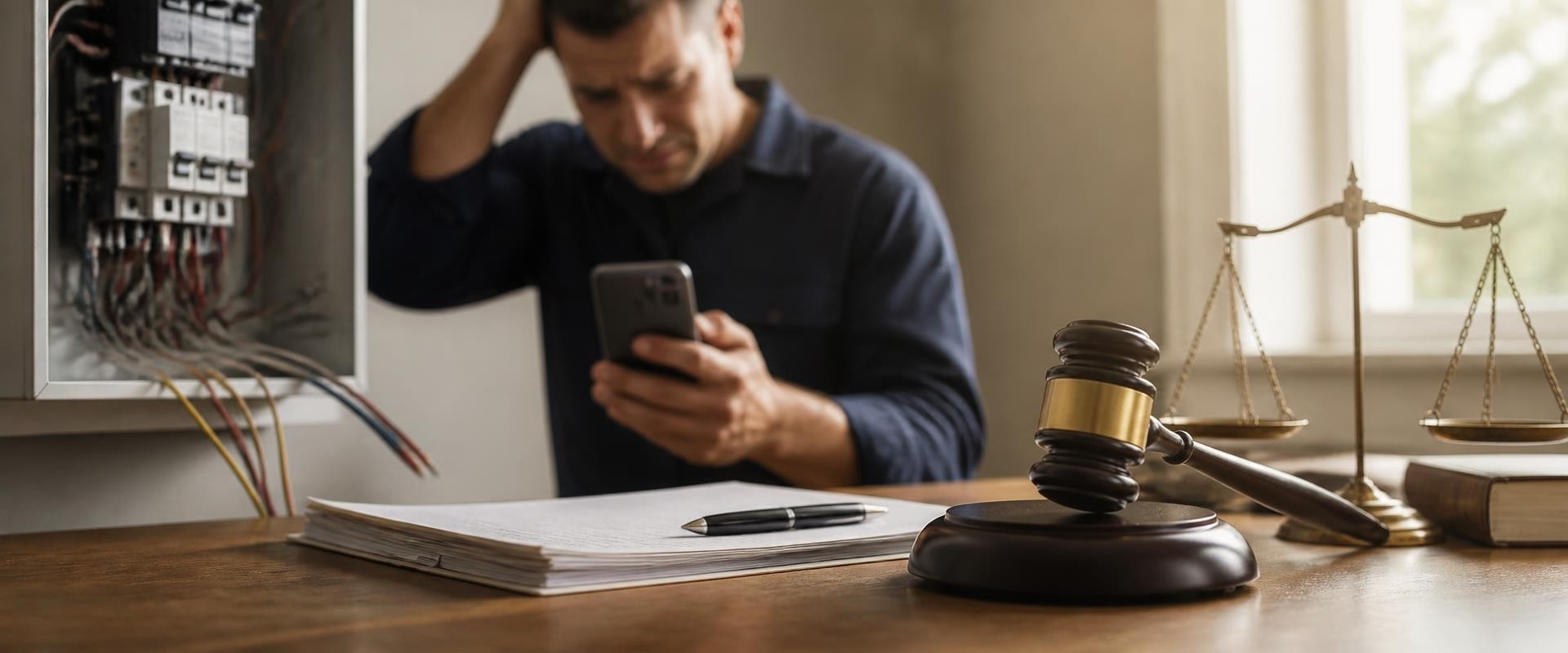
Posting false electrical work reviews can lead to serious legal consequences for both individuals and businesses.The implications of such actions extend beyond mere reputation damage; they can result in significant financial penalties and legal repercussions.
Legal Repercussions
- Defamation Claims: If a review falsely portrays a business or individual in a negative light, it may be considered defamation. The affected party can file a lawsuit seeking damages for harm to their reputation.
- Fraud Charges: Posting fake reviews can be classified as fraud, especially if the intent is to deceive consumers or manipulate market perceptions. This can lead to criminal charges, fines, or even imprisonment.
- Violation of Consumer Protection Laws: Many states have laws against false advertising and deceptive practices. Posting misleading reviews may violate these laws, resulting in penalties imposed by regulatory bodies.
Penalties for False Reviews
- Fines: Individuals found guilty of posting false reviews may face hefty fines.
These fines can vary based on the severity of the offense and the jurisdiction.
- Restitution: Courts may order individuals or businesses to pay restitution to those harmed by the false reviews, compensating them for lost revenue or damages incurred.
- Injunctions: Affected parties may seek injunctions to prevent further dissemination of false information, which could lead to additional legal costs for the offender.
Case Studies: Legal Actions Taken Against False Reviewers
In recent years, the rise of online reviews has transformed how consumers make decisions about services, including electrical work. However, this shift has also led to instances of false reviews, prompting legal actions against those responsible. Below are notable case studies that illustrate the consequences faced by individuals and companies who engaged in posting misleading reviews.Case Study 1: The Plumbing Company Incident
A plumbing company in California faced significant backlash when it was discovered that several positive reviews on Yelp were fabricated by an employee.The company was sued by a competitor who claimed that these false reviews constituted unfair competition. The court ruled in favor of the competitor, leading to a hefty fine for the plumbing company and a mandate to remove the fraudulent reviews.
Case Study 2: The Restaurant Review Scandal
In another instance, a restaurant owner in New York hired a marketing firm that posted fake positive reviews on various platforms, including Google and Facebook. When the deception was uncovered, the restaurant faced a lawsuit from a disgruntled customer who had relied on these reviews for their dining choice. The court found the restaurant liable for damages, emphasizing that misleading consumers through false reviews is not only unethical but also illegal.Case Study 3: The Electrical Contractor Lawsuit
An electrical contractor in Texas was implicated in a scheme where they incentivized customers to leave glowing reviews in exchange for discounts on future services.When a consumer reported this practice to the Better Business Bureau (BBB), an investigation ensued. The contractor was subsequently fined and required to disclose their review practices publicly. This case highlights how even seemingly harmless tactics can lead to serious legal repercussions.These case studies underscore the importance of authenticity in electrical work reviews. Legal actions taken against false reviewers serve as a reminder that integrity is crucial in maintaining trust within the industry.
Companies must ensure that their marketing strategies comply with legal standards to avoid potential lawsuits and damage to their reputation.
How to Identify and Report False Electrical Work Reviews
Identifying false electrical work reviews can be challenging, but there are several key indicators that consumers can look for to protect themselves from misleading information.- Check for Generic Language: Reviews that lack specific details about the service provided or the electrician's skills may be fabricated. Genuine reviews often include personal experiences and specific project details.
- Look for Patterns: If multiple reviews are posted in a short time frame, especially if they use similar wording or phrases, this could indicate a coordinated effort to manipulate ratings.
- Evaluate Reviewer Profiles: Take a closer look at the profiles of those leaving reviews. Profiles with no other activity or a history of only posting positive reviews for one company may be suspicious.
- Consider the Extremes: Reviews that are overly positive or excessively negative can be red flags. Authentic feedback typically includes a mix of pros and cons.
Here are steps you can follow to report them:
- Document Evidence: Take screenshots of the reviews and note any patterns or inconsistencies that support your claim.
- Contact the Platform: Most review platforms have mechanisms in place for reporting fraudulent reviews. Use their reporting tools to submit your evidence.
- Notify the Business: If you believe a business is benefiting from false reviews, consider reaching out to them directly. They may not be aware of the issue and could take steps to address it.
- Leave Your Own Review: Share your honest experience with the service provider. This helps balance out any misleading information and provides potential customers with a clearer picture.
By actively identifying and reporting false electrical work reviews, consumers can protect themselves and others from potential scams.
Best Practices for Writing Authentic Electrical Work Reviews
Writing authentic electrical work reviews is essential for maintaining integrity in the industry and helping fellow consumers make informed decisions. Here are some best practices to consider when crafting your reviews:- Be Honest and Objective: Share your genuine experience with the electrical work performed. Avoid exaggeration or downplaying issues. If the service was satisfactory, state that clearly; if there were problems, describe them factually.
- Provide Specific Details: Include relevant information such as the type of electrical work done, the timeline of the project, and any specific challenges faced.
This helps others understand the context of your review.
- Avoid Personal Attacks: Focus on the service rather than making personal comments about the electrician or company. Constructive criticism is more valuable than negative remarks that could be perceived as personal grievances.
- Use Clear Language: Write in a straightforward manner that is easy to understand. Avoid jargon unless it’s necessary, and explain any technical terms you do use.
- Include Before-and-After Photos: If possible, attach photos to illustrate the quality of work done. Visual evidence can significantly enhance the credibility of your review.
- Update Your Review: If circumstances change or if you have further interactions with the electrician or company, consider updating your review to reflect new experiences.
Authentic reviews not only assist potential customers but also encourage electricians to maintain high-quality service.
FAQs About Legal Implications of Electrical Work Reviews
Understanding the legal implications of false electrical work reviews is crucial for both consumers and contractors. Here are some frequently asked questions that can help clarify common concerns:What constitutes a false review?
A false review is any feedback that misrepresents the quality of electrical work performed. This can include:- Fabricated experiences that never occurred.
- Exaggerated claims about the quality or safety of the work.
- Negative reviews intended to harm a competitor's reputation.
What are the potential legal consequences of posting false reviews?
Posting false reviews can lead to serious legal repercussions, including:- Defamation lawsuits: If a contractor can prove that a review is false and damaging to their reputation, they may pursue legal action.
- Financial penalties: Courts may impose fines on individuals or businesses found guilty of posting misleading reviews.
- Removal of content: Platforms hosting the reviews may take down false content upon request from affected parties.
Can contractors respond to false reviews?
Yes, contractors have the right to respond to false reviews. They can:- Provide factual information to counter the claims made in the review.
- Request that the platform investigate and remove the review if it violates their policies.
- Engage with customers publicly to demonstrate their commitment to quality service.
What should consumers do if they encounter false reviews?
If consumers suspect a review is false, they should:- Research further by looking for additional reviews and testimonials.
- Contact the contractor directly for clarification on any claims made in the review.
- Report suspicious reviews to the platform for investigation.
Conclusion: The Importance of Integrity in Electrical Work Reviews
In conclusion, the integrity of electrical work reviews plays a crucial role in shaping the reputation of contractors and influencing consumer choices.As we have explored, the legal implications of false reviews can be severe, ranging from potential lawsuits to significant financial penalties. It is essential for both consumers and contractors to understand the weight that these reviews carry in the marketplace.For consumers, relying on authentic and honest reviews is vital. They serve as a guiding light in selecting qualified professionals who can ensure safety and quality in electrical work. Misleading reviews not only distort the decision-making process but can also lead to hazardous situations if unqualified individuals are hired based on false information.On the other hand, contractors must recognize that their reputation hinges on the authenticity of the feedback they receive.
Engaging in unethical practices, such as posting fake reviews or soliciting biased feedback, can lead to long-term damage to their credibility and business viability. The repercussions of such actions extend beyond legal ramifications; they can erode trust within the community and diminish customer loyalty.Ultimately, fostering a culture of honesty in electrical work reviews benefits everyone involved. Consumers gain access to reliable information that helps them make informed decisions, while contractors build a solid reputation based on genuine feedback. By prioritizing integrity in this digital age, we can create a more transparent and trustworthy environment for all stakeholders.