When it comes to evaluating electrical work, understanding the nuances between Electrical Work Reviews and ratings is crucial for homeowners and businesses alike. Both serve as essential tools for assessing the quality and reliability of electrical services, yet they provide different insights that can significantly influence decision-making. While reviews often delve into personal experiences and detailed accounts of service quality, ratings typically offer a more quantitative measure of performance.Electrical Work Reviews are subjective narratives that reflect individual customer experiences. They can highlight specific aspects of a service, such as punctuality, professionalism, and the overall satisfaction level of the client.
These reviews often include anecdotes that can help potential customers gauge what to expect from a particular electrician or electrical service provider. On the other hand, ratings usually condense this information into a numerical score or star system, providing a quick reference point for evaluating overall performance.The differences between these two forms of feedback are significant. While reviews provide depth and context, allowing readers to understand the nuances of each experience, ratings offer a snapshot that can be easily compared across multiple providers. This section aims to clarify these distinctions further, helping you navigate the landscape of electrical services with confidence.
What Are Electrical Work Reviews?
Electrical work reviews are evaluations or assessments provided by customers who have hired electricians or electrical contractors for various projects.These reviews serve as a critical feedback mechanism, allowing potential clients to gauge the quality of service offered by professionals in the electrical industry.The primary purpose of electrical work reviews is to inform and guide consumers in their decision-making process. When individuals seek electrical services, they often rely on the experiences of others to determine which contractors are trustworthy and skilled. Positive reviews can significantly enhance a contractor's reputation, while negative feedback can serve as a warning to prospective clients.
Importance of Electrical Work Reviews
Understanding the importance of electrical work reviews is essential for both consumers and service providers. Here are several key reasons why these reviews matter:- Trust Building: Reviews help build trust between clients and electricians.
A contractor with numerous positive reviews is more likely to be perceived as reliable and competent.
- Quality Assurance: They provide insights into the quality of work performed. Customers can learn about the craftsmanship, punctuality, and professionalism of the electrician.
- Informed Choices: Reviews empower consumers to make informed choices based on real experiences rather than just marketing claims.
- Feedback for Improvement: For electricians, reviews offer valuable feedback that can highlight areas for improvement, helping them enhance their services.
What Are Electrical Work Ratings?
Electrical work ratings serve as a quantitative measure of the quality and reliability of electrical services provided by contractors and electricians. Unlike reviews, which are often subjective and based on individual experiences, ratings provide a standardized way to evaluate performance based on specific criteria.Typically, electrical work ratings are derived from various factors, including:- Customer Satisfaction: Ratings often reflect how satisfied customers are with the completed work.
- Timeliness: The ability of the electrician to complete the job within the agreed timeframe can significantly impact their rating.
- Quality of Work: This includes adherence to safety standards, code compliance, and overall craftsmanship.
- Professionalism: How electricians interact with clients, including communication skills and respect for property, also plays a role in their ratings.
They provide potential customers with a quick reference point to gauge the reliability of a service provider. High ratings can indicate a trustworthy contractor who consistently meets or exceeds client expectations, while low ratings may serve as a warning sign to seek alternatives.Moreover, ratings can influence business practices within the electrical industry. Contractors often strive to improve their ratings by enhancing service quality and customer interactions. This competitive aspect not only benefits consumers but also elevates industry standards as a whole.In summary, understanding electrical work ratings is essential for making informed decisions when selecting an electrician.
They offer a clear, objective assessment that complements personal reviews, ensuring that customers can choose providers who are both competent and reliable.
Key Differences Between Electrical Work Reviews and Ratings
When navigating the world of electrical work reviews and ratings, it’s essential to understand their distinct characteristics and how they influence consumer choices. While both serve as tools for evaluating electrical services, they differ significantly in purpose, format, and impact.Purpose
The primary purpose of electrical work reviews is to provide detailed feedback based on personal experiences. These narratives often include specific details about the service quality, professionalism of the electrician, and overall satisfaction. In contrast, ratings offer a quick snapshot of performance, typically represented by a numerical score or star system.This allows consumers to gauge the general sentiment towards a service at a glance.
Format
- Reviews: Usually written in paragraph form, reviews allow for comprehensive insights. They can cover various aspects such as timeliness, communication, and problem-solving skills.
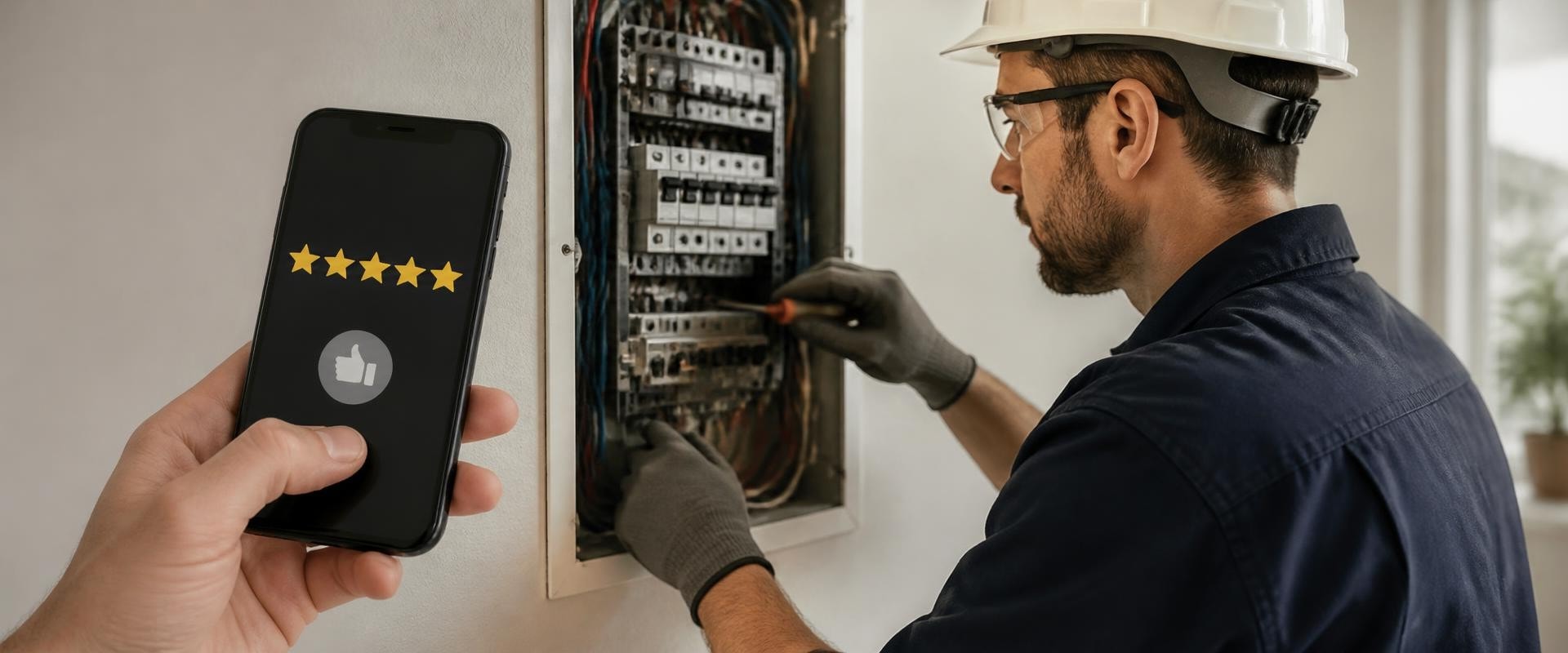
- Ratings: Generally numerical or star-based, ratings simplify the evaluation process. For example, a 5-star rating indicates excellent service, while a 1-star rating suggests significant issues.
Impact on Consumer Decisions
The impact of reviews and ratings on consumer decisions can vary greatly. Reviews often carry more weight because they provide context and detail that ratings alone cannot convey.A high rating might attract attention, but a well-articulated review can persuade potential customers by addressing specific concerns or highlighting exceptional service.In summary, while both electrical work reviews and ratings are valuable resources for consumers seeking electrical services, understanding their differences can enhance decision-making. Reviews offer depth and context, whereas ratings provide quick assessments. Together, they create a comprehensive picture that helps consumers choose the right electrician for their needs.
The Role of Electrical Work Reviews in Consumer Decision-Making
In today's digital age, electrical work reviews play a pivotal role in shaping consumer decision-making. When individuals seek electrical services, they often turn to online platforms to read reviews and ratings from previous customers.This behavior is driven by the need for assurance and trust in the quality of work provided by electricians.
Impact of Electrical Work Reviews on Decisions
- Trust Building: Positive reviews can significantly enhance the credibility of an electrician or electrical service provider. Consumers are more likely to choose a service with a high rating and numerous favorable reviews, as these serve as social proof of reliability.
- Informed Choices: Reviews provide insights into the experiences of others, helping potential customers gauge the quality of service, professionalism, and pricing. This information is crucial for making informed decisions.
- Comparison Tool: With multiple options available, consumers often compare reviews across different providers. This comparative analysis helps them identify the best fit for their specific needs.
A significant percentage of individuals trust online reviews as much as personal recommendations. This shift in consumer behavior underscores the importance of maintaining a positive online reputation.Moreover, negative reviews can have a detrimental effect on a business's reputation. A single unfavorable review can deter potential customers, highlighting the need for electrical service providers to actively manage their online presence and respond to feedback.In conclusion, electrical work reviews are not just a reflection of past performance; they are instrumental in guiding consumer choices. By fostering trust and providing valuable insights, these reviews empower consumers to make confident decisions when selecting electrical services.
The Role of Electrical Work Ratings in Consumer Decision-Making
In the realm of electrical work reviews, ratings serve as a crucial tool for consumers navigating their choices.These ratings provide a quantitative measure of service quality, allowing potential customers to make informed decisions based on the experiences of others.
Impact of Ratings on Consumer Decisions
- Quick Assessment: Ratings simplify the evaluation process. A quick glance at a contractor's rating can reveal their reliability and quality of work, saving consumers time in their search.
- Trust Building: High ratings often correlate with trustworthiness. Consumers are more likely to choose contractors with positive ratings, believing they will receive satisfactory service.
- Comparison Tool: Ratings allow for easy comparison between different electrical service providers. This comparative aspect helps consumers weigh options effectively, leading to better decision-making.
Consumer Behavior with Ratings
Research indicates that consumers are increasingly relying on ratings when selecting service providers.
A significant percentage of individuals report that they consult ratings before making a hiring decision. This behavior is particularly pronounced in industries like electrical work, where safety and quality are paramount.Moreover, the ease of access to ratings through online platforms has transformed consumer behavior. With just a few clicks, potential clients can gather insights from numerous reviews, enhancing their confidence in their choices. This shift towards data-driven decision-making underscores the importance of maintaining high standards in service delivery, as even a few negative ratings can significantly impact a contractor's reputation.In conclusion, electrical work ratings play an indispensable role in shaping consumer decisions.
By providing a clear and concise overview of service quality, they empower consumers to make choices that align with their needs and expectations.
How to Interpret Electrical Work Reviews and Ratings Effectively
When it comes to making informed decisions about hiring electrical work services, understanding Electrical Work Reviews and ratings is crucial. Here are some tips on how to effectively interpret these reviews and ratings:- Look for Detailed Feedback: Reviews that provide specific details about the service experience are more valuable than generic comments. Pay attention to mentions of punctuality, professionalism, and quality of work.
- Consider the Overall Rating: While individual reviews can provide insights, the overall rating gives a quick snapshot of customer satisfaction. A high average rating typically indicates consistent quality.
- Check for Recency: Recent reviews are often more relevant as they reflect the current state of the business.
Look for reviews from the last six months to a year.
- Identify Patterns: If multiple reviews mention the same issue, such as poor communication or delays, it’s likely a recurring problem. Conversely, consistent praise for certain aspects can indicate strengths.
- Evaluate the Reviewer’s Credibility: Consider who is leaving the review. Verified customers or those with a history of providing detailed feedback may offer more reliable insights than anonymous or vague reviewers.
Here’s how to interpret them:
- Rating Scale: Familiarize yourself with the rating scale used by the platform. Some may use a 5-star system while others might use a numerical score out of 10.
- Weight of Ratings: Some platforms weigh certain aspects more heavily than others. For example, a company might receive higher scores for responsiveness than for pricing.
- Comparative Analysis: Compare ratings across different platforms to get a well-rounded view. A company with consistently high ratings across multiple sites is likely a safer choice.
Common Misconceptions About Electrical Work Reviews and Ratings
When it comes to electrical work reviews and ratings, several misconceptions can cloud the judgment of homeowners and potential clients.Understanding these myths is crucial for making informed decisions when hiring electrical services.
- Myth 1: All Reviews Are Fake
Many people believe that online reviews are often fabricated or manipulated. While it’s true that some businesses may attempt to inflate their ratings, reputable platforms have measures in place to verify authenticity. Genuine reviews can provide valuable insights into a contractor's reliability and quality of work. - Myth 2: Ratings Are Solely Based on Price
Another common misconception is that ratings reflect only the cost of services. In reality, electrical work ratings consider various factors, including customer service, quality of workmanship, and timeliness.A higher price does not always equate to better service, nor does a lower price guarantee poor quality.
- Myth 3: Negative Reviews Are Always Bad
Some homeowners shy away from contractors with negative reviews, fearing poor service. However, a few negative comments can be normal and may even indicate a contractor's willingness to address issues. Look for how the contractor responds to criticism; a professional will often engage constructively with dissatisfied customers. - Myth 4: All Ratings Are Equal
Not all review platforms are created equal. Some sites may cater specifically to home improvement services and have stricter verification processes than others.It’s essential to consider the source of the reviews and the context in which they were given.
Conclusion: Summarizing the Differences Between Electrical Work Reviews and Ratings
In conclusion, understanding the differences between Electrical Work Reviews and ratings is crucial for making informed decisions when selecting an electrician or electrical service. While both serve as valuable tools for assessing quality, they provide distinct insights that can significantly influence your choice.Electrical Work Reviews offer detailed narratives from customers who have experienced the service firsthand. These reviews often include specific examples of the work performed, customer service interactions, and overall satisfaction. They allow potential clients to gauge not only the technical skills of the electrician but also their professionalism and reliability.Reading through multiple reviews can provide a comprehensive picture of what to expect. On the other hand, ratings typically condense feedback into a numerical score or star system. This quantitative measure can quickly indicate the general sentiment towards a service provider but lacks the depth and context that reviews provide. Ratings are useful for a quick assessment but should not be the sole factor in your decision-making process. When evaluating electrical services, it is advisable to consider both reviews and ratings. Start by looking at the overall ratings to identify highly-rated electricians, then delve into the reviews to understand the nuances of their work.
This dual approach will help you make a more informed choice, ensuring that you select a professional who meets your specific needs. Ultimately, combining insights from both reviews and ratings will empower you to choose an electrician who not only has a solid reputation but also aligns with your expectations for quality and service.