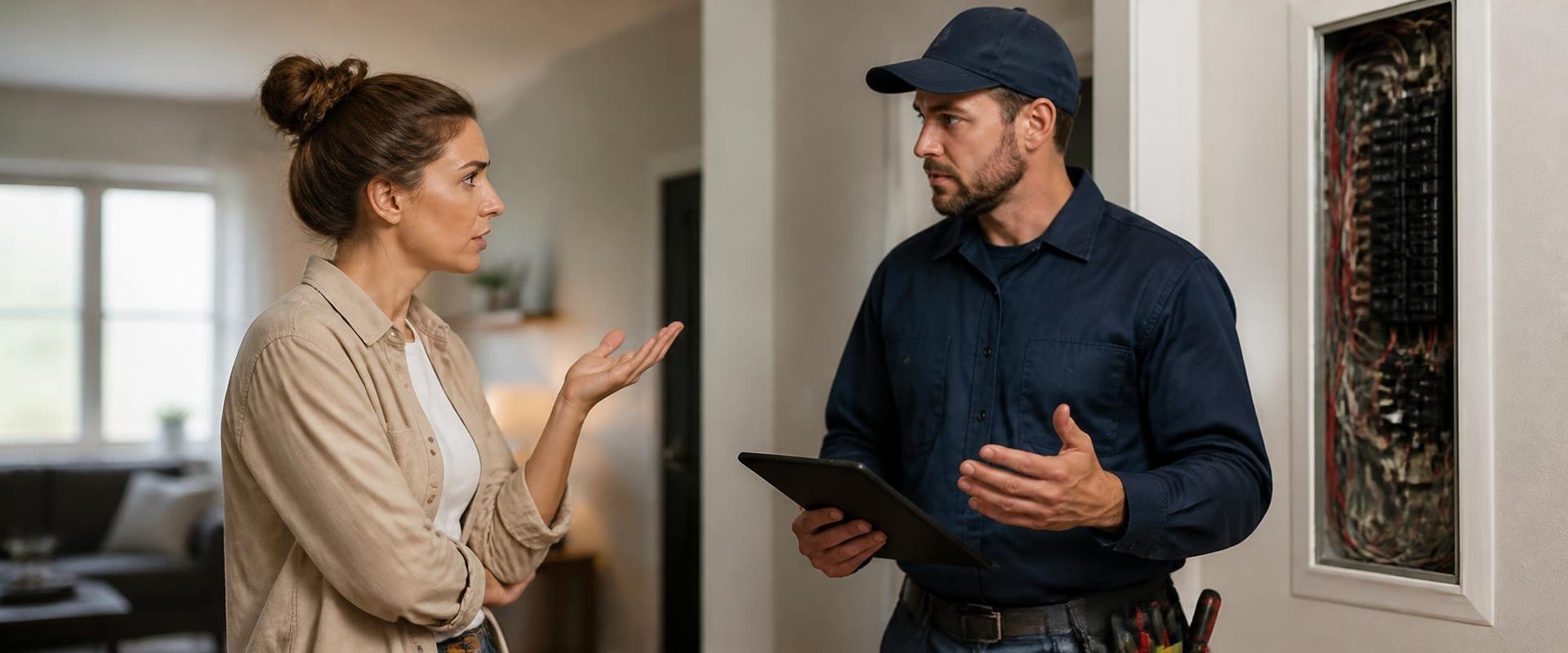
In the realm of electrical services, Electrical Work Reviews play a pivotal role in ensuring quality and safety. These reviews serve as assessments of the work performed by electricians, providing insights into their professionalism, adherence to safety standards, and overall workmanship. Understanding what constitutes an electrical work review is essential for both consumers and professionals in the industry. Typically, these reviews can range from formal evaluations conducted by regulatory bodies to informal feedback shared by clients on various platforms. The importance of electrical work reviews cannot be overstated.
They not only help potential customers make informed decisions when selecting an electrician but also foster accountability within the industry. Positive reviews can enhance an electrician's reputation, while negative feedback can highlight areas needing improvement. This dynamic creates a culture of excellence where electricians are motivated to uphold high standards in their work. There are several types of electrical work reviews that one might encounter.
Formal reviews
often involve inspections by licensed professionals who assess compliance with local codes and regulations.Client testimonials, on the other hand, provide personal accounts of customer experiences and satisfaction levels. Additionally, online ratings and reviews on platforms like Yelp or Google can offer a broader perspective on an electrician's performance. Understanding these different types of reviews is crucial for anyone navigating the complexities of electrical services, especially when disagreements arise regarding the quality of work performed.
Common Reasons for Disagreement with Electrical Work Reviews
Disagreements with electrical work reviews can arise from a variety of factors. Understanding these common reasons can help individuals navigate their own experiences and expectations.- Misunderstandings: One of the primary reasons for disagreement is a lack of clarity in the review itself.
If a reviewer uses technical jargon or fails to explain their concerns adequately, it can lead to confusion. For instance, a reviewer might mention that the wiring was "subpar" without detailing what that means, leaving others to interpret it in various ways.
- Differing Expectations: Customers often have different expectations based on their previous experiences or the information provided by the electrician. If a homeowner expects a quick fix but receives a comprehensive solution that takes longer, they may feel dissatisfied and leave a negative review. This discrepancy can lead to disagreements about the quality of work performed.
- Subjective Opinions: Reviews are inherently subjective.
What one person considers excellent service, another might view as mediocre. Personal preferences play a significant role in how electrical work is perceived. For example, some customers may prioritize punctuality over thoroughness, while others may value detailed explanations over speed.
- Lack of Context: Reviews often lack context regarding the specific circumstances surrounding the electrical work. Factors such as budget constraints, time limitations, or unforeseen complications can significantly impact the outcome of a project.
Without this context, readers may misinterpret the quality of work based solely on the reviewer's experience.
Steps to Take When You Disagree with an Electrical Work Review
Disagreeing with an Electrical Work Review can be frustrating, but addressing the issue constructively is crucial. Here are the steps you should take to effectively respond to a disagreement:- Stay Calm and Objective: Begin by taking a moment to collect your thoughts. Responding emotionally can escalate the situation. Approach the review with a clear mind and focus on the facts.
- Review the Feedback: Carefully read through the review to understand the specific points of disagreement.
Identify whether the feedback pertains to quality, timeliness, or communication issues.
- Gather Documentation: Compile any relevant documentation that supports your position. This may include contracts, emails, photographs of the work completed, or any other evidence that can substantiate your claims.
- Draft a Response: Write a professional response addressing each point raised in the review. Use a respectful tone and provide factual information to counter any inaccuracies. For example, if the reviewer claims that work was not completed on time, reference your project timeline and any communications that confirm timely completion.
- Engage in Dialogue: If possible, reach out to the reviewer directly.
A phone call or face-to-face meeting can often resolve misunderstandings more effectively than written communication. Be open to their perspective and listen actively.
- Request Mediation: If direct communication does not resolve the issue, consider involving a neutral third party for mediation. This could be a supervisor or an industry professional who can provide an unbiased opinion.
- Follow Up: After addressing the review, follow up with the reviewer to ensure they feel heard and valued. This can help rebuild trust and may lead them to update their review positively.
Communicating Your Concerns Effectively
When you find yourself at odds with an Electrical Work Review, effective communication is key to resolving the disagreement.Addressing your concerns in a professional manner not only helps clarify your position but also fosters a constructive dialogue.
1.Prepare Your Points
- Before initiating a conversation, take time to outline your specific concerns. Identify the aspects of the review that you disagree with and gather any supporting evidence, such as photographs or documentation of the work performed.
- Consider the reviewer’s perspective. Understanding their viewpoint can help you frame your arguments more effectively.
2.Choose the Right Medium
- Decide whether to communicate via email, phone, or in person. Each medium has its advantages; for instance, face-to-face discussions can facilitate immediate feedback and clarification.
- If using email, ensure your message is clear and concise.
Avoid lengthy paragraphs that may dilute your main points.
3.Use Professional Language
- Maintain a respectful tone throughout your communication. Avoid using accusatory language or emotional appeals that could escalate tensions.
- Instead of saying "You are wrong," try phrasing it as "I see it differently because..." This approach encourages dialogue rather than defensiveness.
4.Listen Actively
- During discussions, practice active listening. Acknowledge the reviewer’s points and ask clarifying questions if needed. This shows that you value their input and are open to understanding their perspective.
- Respond thoughtfully rather than reacting impulsively.
Take a moment to consider their feedback before replying.
5.Seek Common Ground
- Look for areas of agreement that can serve as a foundation for resolving the dispute. This might involve compromising on certain aspects while standing firm on others.
- Propose solutions that address both parties' concerns, which can lead to a more satisfactory outcome for everyone involved.
When to Seek Mediation or Professional Help
Disagreements regarding Electrical Work Reviews can often escalate, leading to frustration and confusion. In such cases, it may be beneficial to consider mediation or professional help. Here are some scenarios where involving a neutral third party can be advantageous:- Persistent Disagreements: If discussions with the electrician or contractor have not led to a resolution, and both parties remain entrenched in their positions, mediation can provide a fresh perspective.
- Complex Issues: When the disagreement involves technical aspects of electrical work that are difficult to understand, a mediator with expertise in electrical standards can clarify misunderstandings.
- Emotional Tensions: If emotions are running high and communication has broken down, a mediator can facilitate a more constructive dialogue, helping both parties express their concerns without escalating conflict.
Professionals such as licensed electricians or electrical inspectors can provide an unbiased assessment of the work in question. Their expertise can help clarify whether the work meets industry standards and regulations. The mediation process typically involves several steps:
- Initial Consultation: Both parties meet with the mediator to discuss their perspectives and outline the issues at hand.
- Mediation Sessions: The mediator facilitates discussions between the parties, encouraging open communication and guiding them toward potential solutions.
- Agreement Drafting: If an agreement is reached, the mediator helps draft a written document that outlines the terms agreed upon by both parties.
Legal Considerations in Electrical Work Reviews Disputes
Disagreements over electrical work reviews can lead to significant stress and confusion, especially when they involve legal implications. Understanding your legal rights in these situations is crucial for navigating disputes effectively.Firstly, it’s important to recognize that you have the right to contest any review that you believe is inaccurate or unfair.This may involve gathering evidence, such as photographs of the work completed, invoices, and any correspondence with the electrician or contractor. Documenting your case thoroughly can strengthen your position if the dispute escalates.
When to Consult a Lawyer
If you find that discussions with the reviewer do not lead to a satisfactory resolution, it may be time to consult a lawyer who specializes in construction or contract law. Here are some scenarios where legal advice is advisable:- Threat of Legal Action: If the reviewer threatens to take legal action against you, seeking legal counsel is essential.
- Contractual Obligations: If your dispute involves contractual terms that are unclear or disputed, a lawyer can help interpret these agreements.
- Significant Financial Implications: If the outcome of the review could lead to substantial financial loss, professional legal guidance is warranted.
Legal Implications of Disagreements
The legal implications of disagreements over electrical work reviews can vary based on jurisdiction and specific circumstances. In some cases, unresolved disputes may lead to mediation or arbitration, which are alternative dispute resolution methods that can save time and costs compared to litigation.Additionally, if a review leads to claims of negligence or substandard work, it could result in liability issues for the electrician or contractor involved.Understanding these potential outcomes can help you make informed decisions about how to proceed with your dispute.In summary, being aware of your legal rights, knowing when to seek professional advice, and understanding the implications of your disagreement are key steps in effectively managing disputes related to electrical work reviews.
Preventing Future Disagreements with Electrical Work Reviews
Disagreements over Electrical Work Reviews can often be traced back to miscommunication or lack of clarity in project expectations. To prevent such disputes in the future, consider implementing the following strategies:- Establish Clear Communication Channels: From the outset of any electrical project, ensure that all parties involved have a clear understanding of how communication will be handled. Designate a primary point of contact for questions and updates to streamline information flow.
- Document Everything: Keep detailed records of all communications, agreements, and changes made during the project. This documentation can serve as a reference point if disagreements arise later.
- Set Realistic Expectations: Clearly outline the scope of work, timelines, and budget constraints at the beginning of the project.
Ensure that all stakeholders agree on these parameters to minimize misunderstandings.
- Regular Check-Ins: Schedule periodic meetings or updates throughout the project to discuss progress and address any concerns. This proactive approach can help identify potential issues before they escalate into disputes.
- Encourage Feedback: Create an environment where team members feel comfortable providing feedback on the work being done. This openness can lead to early identification of problems and foster collaborative solutions.
FAQs About Electrical Work Reviews and Disagreements
When it comes to electrical work reviews, disagreements can arise for various reasons.Here are some frequently asked questions that can help clarify common concerns and processes related to these reviews.
What should I do if I disagree with an electrical work review?
If you find yourself in disagreement with an electrical work review, the first step is to carefully read through the review to understand the specific points of contention. Take notes on the aspects you disagree with and gather any supporting documentation or evidence that backs your perspective. Once you have your information organized, consider reaching out to the reviewer directly, if possible, to discuss your concerns. Open communication can often lead to a resolution.Can I request a re-evaluation of the electrical work?
Yes, you can request a re-evaluation.Many platforms that host electrical work reviews allow for disputes or appeals. Check the specific guidelines of the platform where the review was posted. You may need to submit a formal request along with your evidence and reasoning for why you believe a re-evaluation is warranted.
What if the reviewer is unresponsive?
If the reviewer does not respond to your outreach, consider escalating the issue through the platform's customer service or support team. Provide them with all relevant details, including your attempts to communicate with the reviewer and any evidence you have gathered.Are there any legal implications of disagreeing with an electrical work review?
While most disagreements over electrical work reviews are resolved amicably, there can be legal implications if a review contains false information that damages your reputation or business.In such cases, consulting with a legal professional who specializes in defamation or business law may be advisable.
How can I prevent future disagreements?
- Maintain clear communication with clients throughout the electrical work process.
- Document all interactions, including agreements and changes made during the project.
- Encourage feedback during and after the completion of work to address concerns proactively.
Conclusion: Key Takeaways on Handling Electrical Work Review Disagreements
In conclusion, navigating disagreements regarding Electrical Work Reviews requires a thoughtful and strategic approach. Here are the key takeaways to keep in mind:- Prioritize Communication: Open and honest dialogue is essential. Addressing concerns directly with the reviewer can often lead to a better understanding of their perspective and may help clarify any misunderstandings.
- Document Everything: Keep a record of all communications and reviews. This documentation can serve as a reference point if disputes escalate, ensuring that you have evidence to support your position.
- Seek Professional Advice: If disagreements persist, consider consulting with a third-party expert or mediator who specializes in electrical work.
Their impartial perspective can provide valuable insights and facilitate resolution.
- Focus on Solutions: Rather than dwelling on the disagreement, shift your focus towards finding a resolution. Propose constructive solutions that address the concerns raised in the review while also protecting your interests.
- Learn from Feedback: Even if you disagree with certain aspects of a review, take the opportunity to reflect on the feedback provided. Constructive criticism can be a valuable tool for personal and professional growth.