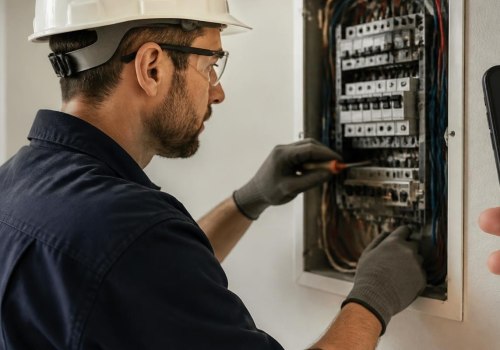
In the realm of electrical services, Electrical Work Reviews serve as a crucial bridge between consumers and professionals. These reviews not only provide insights into the quality of work performed but also help potential clients make informed decisions when selecting an electrician. For homeowners and businesses alike, understanding the significance of these reviews can lead to better service experiences and enhanced safety in electrical installations. Writing Electrical Work Reviews is not merely a matter of sharing opinions; it is an essential practice that fosters accountability within the electrical industry. When customers take the time to document their experiences, they contribute to a collective knowledge base that can guide others in their search for reliable electrical services.
Furthermore, these reviews can highlight areas where electricians excel or need improvement, ultimately driving higher standards across the profession. For professionals in the electrical field, engaging with Electrical Work Reviews can be equally beneficial. Positive feedback can enhance their reputation and attract new clients, while constructive criticism offers valuable insights for growth and development. By understanding the importance of these reviews, both consumers and electricians can cultivate a more transparent and trustworthy marketplace.
Key Elements of an Effective Electrical Work Review
When crafting an Electrical Work Review, several key elements must be incorporated to ensure the review is both informative and useful for potential clients or customers. Below are the essential components that contribute to an effective review:- Clarity: The language used in the review should be straightforward and easy to understand.
Avoid technical jargon unless it is necessary, and when used, provide explanations. This ensures that readers of all backgrounds can grasp the content.
- Detail: A good review should include specific details about the electrical work performed. This includes the type of services provided, the duration of the project, and any challenges faced during the process. Providing these details helps readers gauge the complexity and quality of the work.
- Objectivity: While personal experiences are valuable, it’s crucial to maintain an objective tone.
Highlight both positive aspects and areas for improvement. This balanced approach enhances credibility and allows readers to form their own opinions based on a comprehensive view.
- Visual Evidence: Whenever possible, include photos or diagrams of the completed work. Visual evidence can significantly enhance a review by providing tangible proof of quality and craftsmanship.
- Timeliness: Mention when the work was completed. Timely reviews are more relevant and can reflect current standards and practices in electrical work.
- Recommendations: Conclude with whether you would recommend the electrician or company to others.
This summary can guide potential clients in making informed decisions.
How to Structure Your Electrical Work Review
When crafting an Electrical Work Review, the structure is crucial for clarity and engagement. A well-organized review not only enhances readability but also ensures that your insights are communicated effectively. Here are some best practices for structuring your review:- Start with a Clear Introduction: Begin your review with a brief introduction that outlines the scope of the electrical work being reviewed. Mention the specific services provided, the date of service, and any relevant background information.
- Use Headings and Subheadings: Break your review into sections using clear headings.
This helps readers navigate through your content easily. For example, you might have sections like "Quality of Work," "Timeliness," and "Customer Service." Each section should focus on a specific aspect of the electrical work.
- Incorporate Bullet Points: When listing pros and cons or summarizing key points, use bullet points for better readability. This format allows readers to quickly grasp important information without wading through dense paragraphs.
- Provide Detailed Descriptions: In each section, provide detailed descriptions of your experiences. For instance, under "Quality of Work," discuss the craftsmanship, materials used, and adherence to safety standards.
Use specific examples to illustrate your points.
- Include Visual Elements: If applicable, consider adding images or diagrams to support your review. Visuals can enhance understanding and make your review more engaging.
- Conclude with a Summary: Wrap up your review with a concise summary that reiterates your main points. You might also include a recommendation based on your overall experience.
Writing Style and Tone for Electrical Work Reviews
When crafting Electrical Work Reviews, the writing style and tone you choose can significantly impact how your review is received by readers.A well-balanced approach that combines professionalism with an approachable demeanor is essential for effectively communicating your experiences.
Professionalism
is key in establishing credibility. Use clear and concise language to describe the electrical work performed, avoiding jargon that may confuse readers. For instance, instead of saying "the electrician utilized a multi-meter for diagnostics," you might say, "the electrician used a tool to check the electrical flow, ensuring everything was functioning correctly." This not only makes your review more accessible but also demonstrates your understanding of the work without alienating those unfamiliar with technical terms.In addition to being professional, your tone should be approachable. Readers often seek reviews to gauge whether they can trust a service provider.
A friendly tone can help build rapport. Phrases like "I appreciated how the electrician took the time to explain the process" or "the team was very courteous and respectful" convey warmth and relatability.Here are some best practices for achieving the right writing style and tone:
- Be Honest: Share both positive and negative experiences to provide a balanced view.
- Avoid Overly Technical Language: Keep your audience in mind; not everyone will understand complex electrical terminology.
- Use Personal Anecdotes: Relating your own experiences can make your review more engaging and relatable.
- Stay Objective: While it’s important to express your feelings, ensure that your review remains factual and fair.
- Encourage Dialogue: Invite readers to ask questions or share their own experiences in the comments section.
Incorporating Personal Experiences and Examples
When writing Electrical Work Reviews, incorporating personal experiences and specific examples can significantly enhance the credibility and relatability of your review. Readers are often looking for insights that go beyond technical specifications; they want to understand how the service impacted real lives.Personal Anecdotes:
Sharing your own experiences can create a connection with potential clients. For instance, if you hired an electrician for a home renovation, detailing the process—from the initial consultation to the final inspection—can provide valuable context.
Discuss any challenges faced, such as unexpected delays or budget adjustments, and how the electrician addressed these issues. This not only humanizes your review but also helps others anticipate what they might encounter.
Specific Examples:
Including concrete examples of the work performed can further bolster your review. Instead of simply stating that the electrician was "professional," describe a specific instance where their expertise shone through. For example, you might mention how they diagnosed a complex wiring issue that another contractor overlooked, or how they suggested energy-efficient solutions that saved you money in the long run.
- Highlight Unique Solutions: If the electrician implemented a unique solution to a common problem, make sure to include this in your review.
It showcases their creativity and problem-solving skills.
- Discuss Communication: Talk about how well the electrician communicated throughout the project. Did they keep you informed about progress? Were they responsive to your questions?
- Share Outcomes: Finally, discuss the results of their work. Did it meet your expectations? How has it improved your home or business?
Common Mistakes to Avoid When Writing Electrical Work Reviews
When writing Electrical Work Reviews, avoiding common mistakes is crucial to ensure your review is both credible and helpful.Here are some frequent pitfalls to watch out for:
- Lack of Specificity: One of the most significant errors is failing to provide specific details about the electrical work performed. Instead of vague statements like "the job was done well," describe what was done, such as "the electrician installed new wiring for the kitchen remodel, ensuring compliance with local codes." This level of detail helps readers understand the scope and quality of the work.
- Bias and Subjectivity: Personal biases can skew your review. Avoid letting emotions dictate your assessment. For instance, if you had a bad day, don’t let that influence your opinion of the electrician’s work.
Stick to the facts and provide an objective evaluation based on the service received.
- Neglecting to Mention Follow-Up: A good review should include information about any follow-up services or warranties provided. If the electrician offered a warranty on their work or followed up to ensure satisfaction, mention this as it adds credibility and shows commitment to quality.
- Ignoring Safety Standards: Electrical work must adhere to safety regulations. If you notice any safety violations or lack of adherence to codes, it’s essential to highlight these issues in your review. This not only informs potential customers but also holds electricians accountable.
- Overlooking Communication: Effective communication is key in any service industry.
If the electrician was responsive and clear in their explanations, include this in your review. Conversely, if they were difficult to reach or unclear about pricing, this is also important information for future clients.
SEO Best Practices for Electrical Work Reviews
When it comes to optimizing electrical work reviews for search engines, several best practices can significantly enhance visibility and engagement. Here are key strategies to consider:- Keyword Usage: Incorporate relevant keywords naturally throughout your review. Phrases like "electrical work reviews," "best electricians," and specific services offered should be included in the title, headings, and body text.
However, avoid keyword stuffing, as this can lead to penalties from search engines.
- Meta Descriptions: Craft compelling meta descriptions that summarize the content of your review. This snippet appears in search results and should include primary keywords while enticing users to click through. Aim for a length of 150-160 characters to ensure the full description is visible.
- Internal Linking: Enhance the SEO value of your reviews by linking to other relevant pages on your website. For instance, if you have a page detailing electrical services or a blog post about common electrical issues, link to these resources within your review.
This not only improves SEO but also keeps readers engaged with your content.
- User-Generated Content: Encourage customers to leave their own reviews and feedback. User-generated content can improve your site's authority and relevance in search engines. Make sure to respond to these reviews, as engagement can boost your credibility.
- Structured Data Markup: Implement structured data (schema markup) for reviews on your website. This helps search engines understand the context of your content better and can enhance how your reviews appear in search results, potentially leading to rich snippets.
FAQs About Writing Electrical Work Reviews
When it comes to writing Electrical Work Reviews, many individuals have questions that can help them craft more effective and informative feedback.Below are some frequently asked questions that address common queries related to writing these reviews.
What should I include in my electrical work review?
Your review should cover several key aspects:- Quality of Work: Describe the quality of the electrical work performed. Was it up to code? Did it meet your expectations?
- Professionalism: Comment on the electrician's professionalism. Were they punctual, courteous, and respectful?
- Communication: Discuss how well the electrician communicated with you throughout the process. Did they explain the work clearly?
- Pricing: Provide insights into the pricing structure.
Was it transparent and fair for the services rendered?
- Timeliness: Mention whether the work was completed on time or if there were delays.
How long should my review be?
A good length for an Electrical Work Review is typically between 150 to 300 words. This allows you to provide enough detail without overwhelming potential readers.Should I include negative feedback?
If your experience was not satisfactory, it’s important to include constructive criticism. Focus on specific issues rather than general complaints, and suggest how improvements could be made.Can I use photos in my review?
Yes, including photos can enhance your review significantly. Visual evidence of the work done can provide context and credibility to your feedback.Where should I post my electrical work review?
You can post your review on various platforms such as:- Google Reviews: Great for local visibility.
- Yelp: Popular for service-based businesses.
- Facebook: Useful for reaching friends and community members.
- Your own blog or website: If you have one, this can help others find reliable electricians.
Conclusion: Crafting Impactful Electrical Work Reviews
In conclusion, writing effective Electrical Work Reviews is essential for both consumers and professionals in the electrical industry.By adhering to best practices, you can ensure that your reviews are not only informative but also impactful.
Key Takeaways:
- Be Specific: Detail the scope of the work performed, including the type of electrical services provided and any challenges faced during the project.
- Use Clear Language: Avoid jargon and technical terms that may confuse readers. Aim for clarity to make your review accessible to a broader audience.
- Include Personal Experience: Share your personal experience with the electrician or company. This adds authenticity and helps potential customers gauge reliability.
- Highlight Strengths and Weaknesses: Provide a balanced view by mentioning both positive aspects and areas for improvement. This honesty builds trust with your audience.
- Rate Your Experience: Consider using a rating system to quantify your satisfaction.
This can help readers quickly assess the quality of service.